
The Length of Time Tree Roots Continue to Live
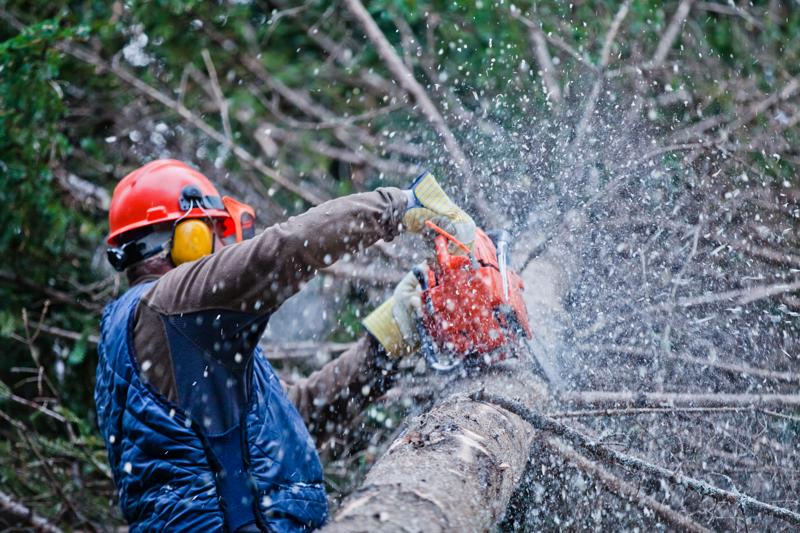
Tree removal is a necessary job for many property owners, however, it’s not as simple as cutting down the branch and allowing the roots to decay. Understanding the longevity of the tree’s roots is essential in ensuring your removal is carried out in a safe and secure manner. In this article, we’ll explore the length of time that tree roots live after a tree has been cut down , and also answer several of the frequently asked questions about this topic.
How long do tree roots last after cutting them down?
The life span of the roots of a tree after it has been cut down could differ greatly based on the species of tree, the size of the root, and the environmental conditions. In general, it is possible to conclude that the roots of trees continue to exist for a long time after the tree is cut down. This is because the roots are still capable of taking in water and nutrients from the soil{,|| and absorbing nutrients from the soil,} regardless of whether the tree is removed.
Factors that Affect the Longevity of Tree Roots
There are many aspects that impact the length of time that tree roots last after a tree has been taken down. Some of these include different species of trees There are certain species of trees that have roots that are more resilient and last longer than others. For example the oak tree’s roots have been observed to live for several decades after the tree has been taken down. Dimension of roots: The larger the tree’s roots is, the longer they’ll likely remain after the tree is taken down. This is because larger roots have a greater capacity to absorb nutrients and moisture from the soil. Conditions in the soil: The type, temperature, as well as the level of moisture in the area where trees were removed will influence the lifespan that the root system. If the soil is dry and compacted, the roots will decompose more rapidly. If the soil is moist and well-drained, they will live longer.
What happens to the tree Roots Following the cutting?
If trees are cut down the roots slowly begin to decompose. This process can take several years dependent on the variables discussed above. In this period the roots gradually let nutrients into soil which is beneficial to other plants that are in the vicinity. When the roots are fully decomposed, they will no longer be a danger to the surrounding landscapes or structures.
FAQs:
Can tree roots regrow after being cut down?
The roots of trees cannot regenerate after a tree has been cut down. Once the roots are removed, they will slowly begin to decompose and will not be able to being regrown.
Will tree roots continue to grow after cutting them down?
Tree roots will not continue to grow after a tree has been cut down. However, they will be around for several years as they’re still capable absorption of nutrients and moisture in the soil.
Are tree roots likely to continue to grow after cutting down?
No, tree roots won’t continue to grow after the tree has been removed. After the tree is removed, the roots slowly begin to decay and will not pose a risk to the landscape or surrounding structures.
Conclusion:
In the end, the life span of tree roots after a tree has been cut down can vary greatly according to a number of variables. Knowing the duration that tree roots will live is crucial for ensuring that the removal process is completed properly and safely. If you have an existing tree that requires to be removed, it is always best to hire a professional North Shore Tree Removal arborist to carry out the job. Our highly-trained and experienced arborists have the necessary equipment and expertise to safely and effectively remove trees and resolve any concerns about the longevity of the roots. Contact us today by phone at 1300 636 143 to schedule a consultation and learn more about our tree removal services within North Shore. Don’t risk damaging your property or risking your life trying to remove a tree on your own. Let the experts from North Shore Tree Removal handle all of your tree removal requirements.


